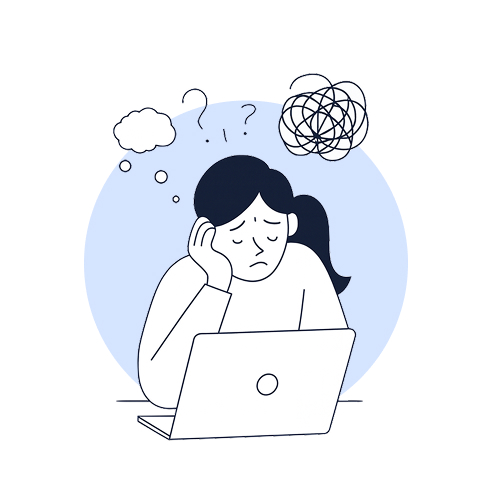
Life with ADHD often feels like a constant attempt to organize a system that refuses to work consistently. You may understand what needs to be done, have a plan, and even feel motivated, but at some point everything just stops. This is not about discipline. It is about how the brain processes attention, decisions, and the initiation of action. ADHD affects executive functions, which makes even simple tasks feel difficult. That is why habits do not form automatically here as they do for most people. They require external support, context, and the right structure.
How a simple and stable routine works
A routine starts working not when it is perfect, but when it is simple. The biggest mistake is trying to change everything at once. A large list of tasks creates overload, and the brain simply refuses to start.
Instead, it is more effective to build a routine as a set of very simple connections. Each action should have a clear trigger. This can be a specific moment, place, or a previous action. It is the context that activates the habit, not intention.
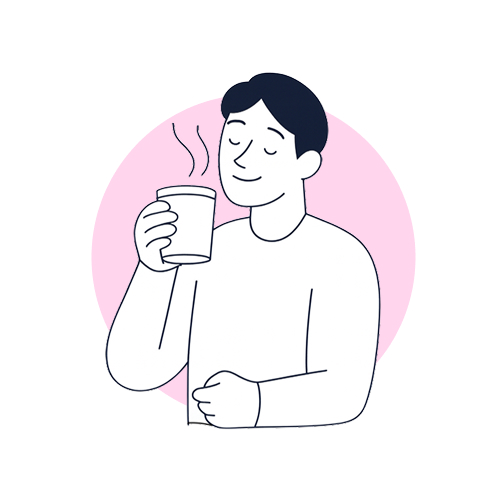
For example, not “work on tasks,” but “after coffee, open the task list.” Not “exercise,” but “after a shower, do one exercise.” When there is no pause between the trigger and the action, the need to make a decision disappears, and with it, the internal resistance.
Another important principle is scale. The smaller the action, the easier it is to start. Small habits may not look significant, but they are what create stability. Over time, repetition in the same context makes the behavior automatic.
How to avoid overload and reinforce habits
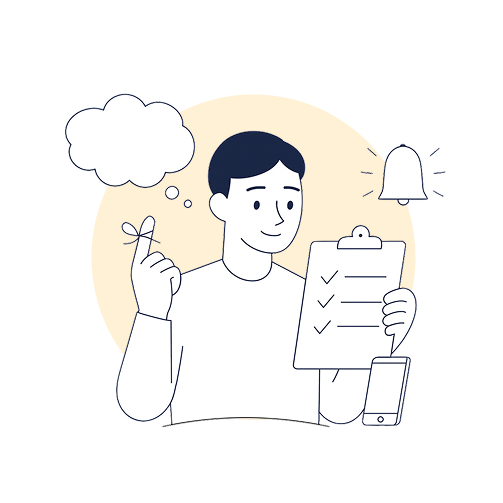
For a routine not to be exhausting, it should reduce the number of decisions, not increase them. This means the environment should work for you. Visible objects, simple reminders, and linking actions to specific places help the brain avoid holding everything in memory. Visual triggers significantly strengthen habit stability.
It is also important to accept that habits form slowly. On average, this takes several months of regular repetition, and that is normal. The key is not speed, but continuing even in a simplified form.
The best strategy is to keep a minimal version of the action for times when you have no energy. If you cannot do it fully, do at least the smallest version. This helps maintain continuity and preserve the connection between the trigger and the action.
As a result, a routine stops being a system that requires constant effort to maintain. It becomes a set of simple automatic actions that do not overwhelm, but instead free up attention. This is how it starts working with you, not against you.